
 Reviews
 Years Of Excellence










Due to high demand, all hand sanitizing products are experiencing extended production times. Please contact us to assist you with reserving inventory. Please allow flexibility in the delivery of orders. Dates cannot be guaranteed.
🎖️ Veteran Owned
🎖️ Veteran Owned
 6 Minute Read
Creating an event budget is one of the most important steps in the planning process. It sets expectations, guides decision-making, and helps ensure that resources are used effectively. Without a clear budget, costs can escalate quickly, often leading to last-minute compromises that impact both execution and attendee experience.
A strong event budget is not just about tracking expenses. It’s about aligning your spend with the purpose of the event and making intentional decisions about where investment will have the greatest impact. When done well, budgeting becomes a tool for clarity and control rather than a constraint.
Many teams begin planning with ideas rather than structure. They focus on the venue, the format, or the experience they want to create, and budgeting becomes a secondary step. This approach can work in the early stages, but it often leads to misalignment as real costs begin to surface.
Budgeting is also commonly underestimated because many expenses are not immediately visible. Logistics, service fees, shipping, and last-minute adjustments can add up quickly if they are not accounted for early.
A more effective approach is to treat budgeting as part of the strategy from the beginning. When budget and goals are aligned early, decisions become easier and tradeoffs more intentional.
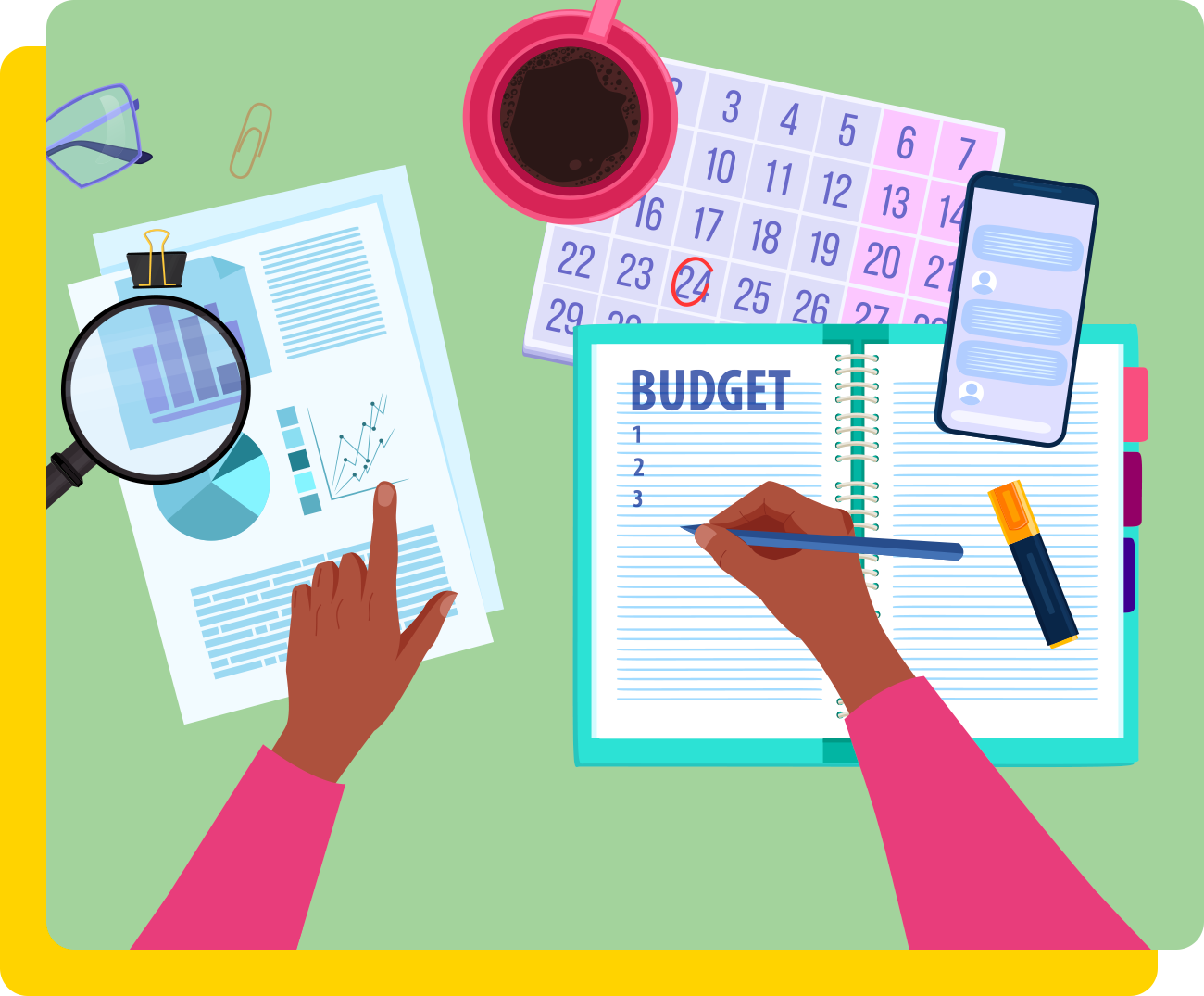
Before assigning numbers to any category, it’s important to define what success looks like. Every event serves a different purpose, and the budget should reflect that.
For example, an event focused on generating leads will require investment in marketing, materials, and follow-up systems. An internal employee event may prioritize food, comfort, and overall experience. A client-facing event may require a higher level of polish across branding, environment, and presentation.
When goals are clearly defined, it becomes easier to determine where budget should be concentrated. Instead of spreading resources evenly across all categories, you can prioritize the elements that directly support the outcome you’re trying to achieve.
Most event budgets can be organized into a few key categories. While the exact breakdown will vary, these core areas are consistent across most corporate events:
Organizing your budget this way provides a clear structure and makes it easier to compare quotes, track spend, and identify where adjustments may be needed.

One of the most useful ways to manage an event budget is to separate fixed and variable costs. This helps you understand how changes in attendance or scope will impact your total spend.
Fixed costs remain relatively stable regardless of attendance. These often include venue rental, certain vendor fees, and equipment. Variable costs, on the other hand, scale with attendance and participation. Catering, printed materials, and promotional items are common examples.
This distinction becomes especially important when projections change. If attendance increases, variable costs will rise, but fixed costs will remain the same. Understanding this relationship allows planners to adjust more confidently without losing control of the overall budget.
Not all budget categories contribute equally to the success of an event. Strategic allocation is about identifying which elements will have the greatest impact on the attendee experience and overall outcomes
In many cases, investments in experience and engagement deliver stronger returns than cutting costs across the board. Elements like environment, branding, and interaction points shape how attendees perceive the event and how memorable it becomes.
That doesn’t mean every area needs to be premium. Instead, it means being intentional. Some areas can be simplified without affecting the experience, while others are worth prioritizing because they influence how attendees feel and interact.
Promotional products and materials should be treated as part of the overall experience, not as an afterthought. Items such as signage, printed materials, and event swag play a role in both engagement and brand visibility.
When chosen thoughtfully, these elements support interaction, reinforce messaging, and extend the life of the event beyond the day it takes place. The key is to align these items with the audience and the goals of the event rather than selecting them based on cost alone.
While every event is different, a general allocation framework can be helpful as a starting point:
This structure provides a baseline that can be adjusted based on priorities and event type.
Even experienced planners run into budgeting challenges. A few common pitfalls include:
Avoiding these mistakes comes down to planning early, reviewing often, and staying aligned with goals
Tracking spend throughout the planning process helps maintain control and reduce surprises. It also provides the data needed to evaluate performance once the event is complete.
After the event, comparing budget to outcomes—such as engagement, attendance, or feedback—helps determine whether the investment delivered value. This insight is critical for improving future events and making more informed decisions over time.

An effective event budget provides structure, clarity, and direction. It allows teams to plan confidently, allocate resources strategically, and create events that deliver meaningful results.
For a broader view of how budgeting fits into a complete event strategy, explore the Event Planning Guide: How to Plan Successful Corporate Events from Start to Finish, where strategy, budgeting, and execution come together in one place.
Our experts are standing by Monday–Friday, 8:00 am – 6:00 pm EST.
|
Oops, your browser is no longer supported. We have detected that you are using an outdated and unsupported browser. Our website works with a wide range of browsers and an upgrade to a modern, fully supported browser version is not required, but it is strongly recommended so that you can benefit from the all of the features and helpful tools. |
|||
| Get the latest. | |||