
 Reviews
 Years Of Excellence










Due to high demand, all hand sanitizing products are experiencing extended production times. Please contact us to assist you with reserving inventory. Please allow flexibility in the delivery of orders. Dates cannot be guaranteed.
🎖️ Veteran Owned
🎖️ Veteran Owned
 6 Minute Read
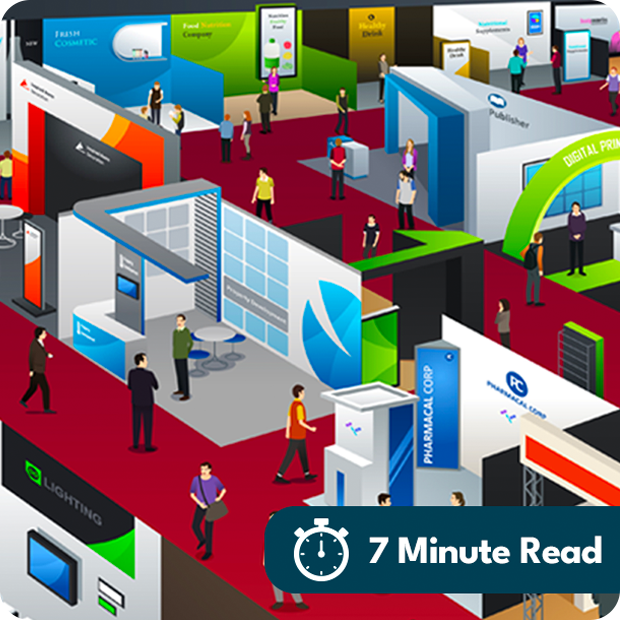
Corporate events play a critical role in how organizations connect with employees, clients, and prospects. From conferences and trade shows to internal gatherings and client appreciation events, well-executed events create opportunities for engagement that are difficult to replicate through digital channels alone.
But successful events don’t happen by accident. They require careful planning, clear goals, coordinated execution, and thoughtful follow-up. Without a structured approach, even well-funded events can fall short of expectations.
This guide breaks down the full event planning process—from early strategy and budgeting to execution and post-event engagement—so you can plan with confidence and deliver events that create lasting impact.



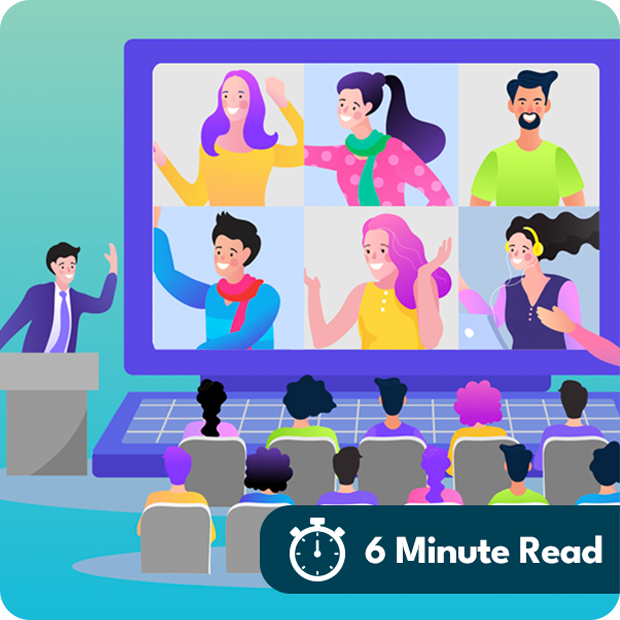

Event planning is the process of organizing, coordinating, and executing an event with a specific goal in mind. In a corporate setting, those goals often include brand awareness, lead generation, employee engagement, or relationship building.
A well-planned event aligns logistics, messaging, and experience into a cohesive strategy. Every detail contributes to how attendees perceive the event and the brand behind it.
When done effectively, event planning helps organizations create meaningful interactions, strengthen relationships, and generate measurable business outcomes. When done poorly, it can result in missed opportunities, wasted budget, and disengaged attendees.
Every successful event follows a structured timeline. While the specifics may vary depending on the size and type of event, most planning efforts fall into three core phases: pre-planning, execution, and post-event follow-up.
Pre-planning includes defining goals, setting a budget, selecting a venue, and coordinating vendors. This phase lays the foundation for everything that follows and has the greatest impact on overall success.
Execution focuses on bringing the event to life. This includes managing logistics, coordinating staff, setting up materials, and ensuring everything runs smoothly on the day of the event.
Post-event follow-up is where the value of the event is realized. This phase includes outreach, data analysis, and internal review to measure performance and identify opportunities for improvement.
For a detailed breakdown of each step and timeline, see our Event Planning Checklist: Timeline for Every Stage of Your Event.
Clear goals are essential to effective event planning. Without defined objectives, it becomes difficult to measure success or make informed decisions throughout the process.
Start by identifying what you want the event to achieve. Are you looking to generate leads, strengthen client relationships, launch a product, or improve employee engagement? Each goal requires a different approach to planning, messaging, and execution.
Once goals are established, define how success will be measured. Metrics might include attendance numbers, engagement levels, leads generated, or post-event conversions. Aligning your team around these metrics ensures that everyone is working toward the same outcomes.
Budgeting is one of the most important aspects of event planning, yet it is often underestimated. A well-structured budget helps ensure that resources are allocated effectively and that spending aligns with priorities.
Typical event costs include venue rental, food and beverage, staffing, marketing, materials, and promotional products. Understanding how these costs break down allows planners to make informed decisions about where to invest and where to scale back.
It’s also important to think beyond total spend and consider value. Some investments—such as attendee experience, branding, or engagement tools—can have a significant impact on outcomes.
For a deeper look at how to structure and manage event budgets, explore How to Create an Event Budget That Actually Works.
The experience you create at an event is just as important as the logistics behind it. Event branding and design shape how attendees feel, what they remember, and how they engage.
A strong event experience starts with a clear theme or message. This should be reflected consistently across signage, materials, communications, and the physical environment. Consistency helps reinforce brand identity and creates a more cohesive experience.
Beyond visuals, experience design includes how attendees move through the event, interact with content, and engage with staff. Thoughtful layouts, clear messaging, and intentional touchpoints all contribute to a more effective and memorable event.
For a deeper look at creating a cohesive and memorable event presence, explore How to Design an Event Experience That People Remember.
Promotional products continue to play an important role in event engagement. When chosen thoughtfully, event swag can enhance the attendee experience, support branding efforts, and extend visibility beyond the event itself.
The most effective promotional items are useful, relevant, and aligned with the audience. Items that fit naturally into attendees’ daily routines are more likely to be kept and used, increasing long-term brand exposure.
Swag can also support interaction during the event, serving as conversation starters or incentives for participation. When integrated into the overall experience, promotional products become part of the event strategy rather than an afterthought.
For ideas and strategies, see Best Event Swag Ideas That Guests Actually Keep.
Behind every successful event is a well-coordinated network of vendors and logistics. From venue management and catering to audiovisual support and material delivery, each component must work together seamlessly.
Clear communication is key. Establishing timelines, expectations, and points of contact helps prevent misunderstandings and ensures that all elements are delivered as planned.
It’s also important to build in flexibility. Unexpected changes can occur, and contingency plans help teams adapt without disrupting the overall experience.
Measuring the success of an event requires looking beyond attendance numbers. While turnout is important, it is only one piece of the puzzle.
Effective measurement includes both quantitative and qualitative data. This may involve tracking leads, engagement, conversions, and feedback from attendees and staff. Together, these insights provide a more complete understanding of performance.
Analyzing results helps identify what worked, what didn’t, and how future events can be improved. Over time, this data-driven approach leads to more consistent outcomes and stronger return on investment.
Virtual and hybrid events have become a permanent part of the event landscape. These formats offer flexibility and expanded reach, but they also require a different approach to engagement.
Without a physical environment, planners must rely more heavily on content, digital interaction, and creative touchpoints to keep attendees engaged. This often includes integrating physical elements—such as shipped kits or promotional items—to create a more tangible experience.
Blending digital and physical strategies allows organizations to maintain connection while adapting to evolving event formats.
The success of an event is ultimately determined after it ends. Post-event follow-up is where relationships are strengthened, leads are nurtured, and value is realized.
Timely communication is critical. Reaching out to attendees shortly after the event helps maintain momentum and reinforces key messages. This may include thank-you emails, follow-up materials, or invitations to continue the conversation.
Internal review is equally important. Evaluating performance against goals, gathering feedback, and identifying areas for improvement ensures that each event builds on the success of the last.
Planning a successful corporate event requires more than managing logistics. It involves aligning strategy, experience, and execution to create meaningful engagement and measurable results.
By approaching event planning with clear goals, structured processes, and a focus on attendee experience, organizations can create events that deliver lasting value.
Use this guide as a foundation, then explore the detailed resources linked throughout to refine your approach and plan events with greater confidence and impact.
Our experts are standing by Monday–Friday, 8:00 am – 6:00 pm EST.
|
Oops, your browser is no longer supported. We have detected that you are using an outdated and unsupported browser. Our website works with a wide range of browsers and an upgrade to a modern, fully supported browser version is not required, but it is strongly recommended so that you can benefit from the all of the features and helpful tools. |
|||
| Get the latest. | |||